Many first-time safari travelers assume Kenya’s national parks close when the rains arrive. The real picture is more practical. Some roads and camps close for part of the rainy season, but most parks stay open year round. If you know which Kenya safari park reopening dates matter, you can plan around them and avoid a wet, wasted transfer.
The biggest confusion is between park access and camp operations. A park gate can be open all year, but the camp you booked may be closed in April. A road can be open on Monday and impassable by Thursday after heavy rain. This guide separates those three things: park access, camp opening dates, and road conditions.
Do Kenya Safari Parks Close During the Rainy Season?
Kenya’s major parks and reserves usually remain open during both rainy seasons; seasonal closures more often affect individual camps, remote tracks, and access roads than the parks themselves. The long rains from late March through May create the greatest disruption, especially in the Masai Mara, while November’s short rains are generally easier to manage.
Kenya Wildlife Service national parks such as Amboseli, Lake Nakuru, Tsavo East, Tsavo West, and Nairobi National Park do not close for the rainy season. The Masai Mara National Reserve is run by Narok County, not Kenya Wildlife Service, but it also stays open for visitors. What changes is how you get in and whether you can drive every track.
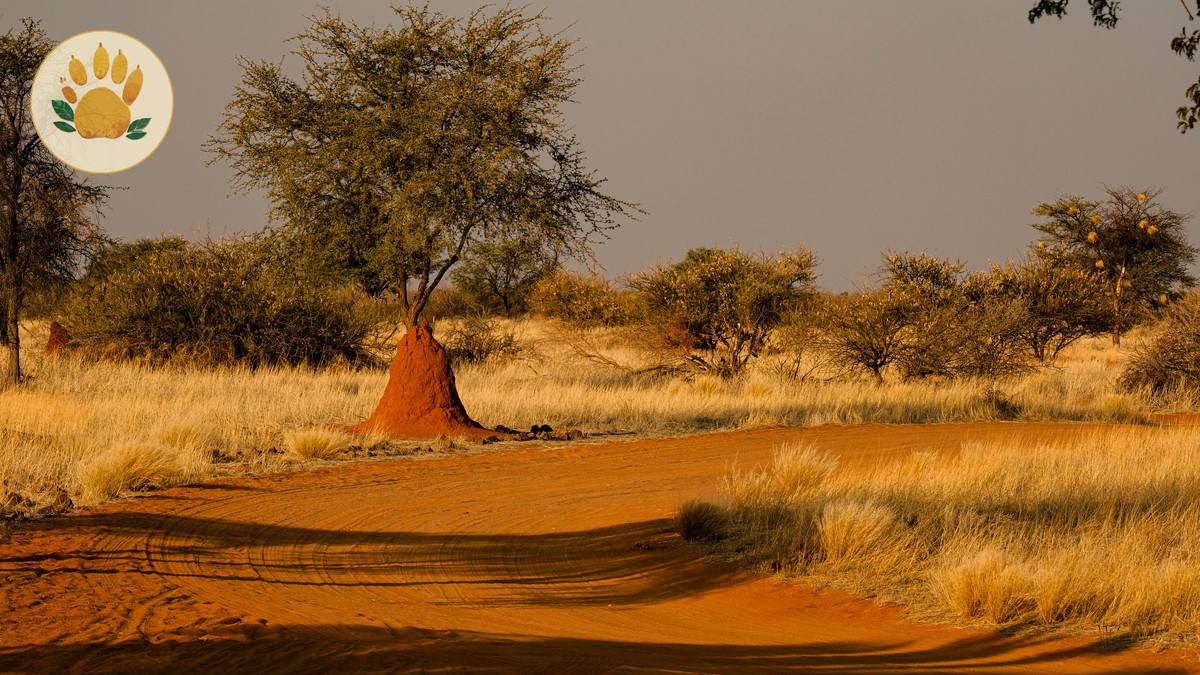
Black-cotton soil is the main problem in the Mara. It turns into deep, slippery mud after heavy rain. The same applies to parts of Tsavo and a few access roads. You can still enter the park, but a standard minibus may not reach the gate. A 4×4 with a local driver-guide is the honest minimum for April and May.
Kenya’s Long-Rains and Short-Rains Closure Calendar
The long rains usually run from late March through May, with April the wettest and most closure-prone month; the short rains normally arrive in November and cause fewer full closures. Reopening commonly begins in the latter part of May, but exact dates depend on road conditions, camp maintenance, occupancy, and the season’s actual rainfall.
| Month | Rain pattern | Typical camp access | Road condition | Masai Mara non-resident adult fee |
|---|---|---|---|---|
| January | Dry lower season | Most camps open | Good | US$100 per day |
| February | Dry lower season | Most camps open | Good | US$100 per day |
| March | Long rains begin late month | Some seasonal camps close late March | Wet patches appear | US$100 per day |
| April | Long rains peak | Many seasonal camps closed | Muddy, C13 can become impassable | US$100 per day |
| May | Rains ease late month | Camps reopen around third or fourth week | Improving | US$100 per day |
| June | Dry season starts | Reopened camps running | Good | US$100 per day |
| July to October | Dry high season | Most camps open | Best | US$200 per day |
| November | Short rains | Most camps open | Pockets of mud | US$200 per day |
| December | Short rains ease | Most camps open | Fair | US$200 per day |
The fee split in the Mara changes on July 1. From January through June the non-resident adult fee is US$100 per day. From July through December it rises to US$200 per day. That jump is not tied to rain, but it does make May a value option if roads have dried enough.
Kenya Safari Park Reopening Dates: When Camps Close and Reopen
Many seasonal camps close during the heaviest long rains and begin reopening around the third or fourth week of May for the June-to-October season. Permanent lodges with all-weather access, including larger properties near Amboseli, Lake Nakuru, and established Mara locations, are more likely to operate year-round, so travelers should check each camp rather than assume a park-wide closure.
Seasonal tented camps inside private conservancies such as Mara North Conservancy or Naboisho Conservancy often shut around the first week of April. They reopen for the dry season once the ground firms up, typically in the last ten days of May. Permanent lodges on better roads may stay open all year, but even they can pause for maintenance in April if occupancy is very low.
| Property or camp example | Typical long-rains pattern | Access note |
|---|---|---|
| Keekorok Lodge, Masai Mara | Usually open year-round | Near Sekenani Gate, on a more established access route |
| Sarova Mara Game Camp, Masai Mara | Usually open year-round | Serviced by main Mara road network |
| Seasonal tented camp, Mara North Conservancy | Closes around early April, reopens around the third or fourth week of May | Conservancy fee roughly US$80 to US$150 per person per night, bundled into the lodge rate |
| Ol Tukai Lodge, Amboseli | Usually open year-round | KWS park fee US$90 per adult per day |
| Lake Nakuru Lodge | Usually open year-round | KWS park fee US$90 per adult per day |
The conservancy fee is separate from the Masai Mara National Reserve gate fee. If you are unsure about that split, read what private conservancy fees include. A private conservancy can offer night drives and off-road access, but it does not remove the need to check whether the camp itself is open.
Park-by-Park Access and Road Conditions
The Masai Mara usually presents the greatest rainy-season access risk because black-cotton roads such as the C13 and Sekenani-Keekorok route can become impassable after heavy rain. Amboseli, Lake Nakuru, and parts of Tsavo are often more forgiving, although flooding and muddy sections remain possible. A 4×4 and local driver-guide are safest in April and May.
| Park or reserve | Admin | Non-resident adult fee | Road distance from Nairobi | Dry-season drive time | Rainy-season note |
|---|---|---|---|---|---|
| Masai Mara National Reserve | Narok County | US$100 Jan to Jun, US$200 Jul to Dec | About 270 km to Sekenani Gate | 5.5 to 6 hours | Black-cotton C13 and Sekenani-Keekorok route can become impassable |
| Amboseli National Park | KWS | US$90 per day | About 240 km via Emali | 4 to 5 hours | Easier approach, but muddy patches and minor flooding can occur |
| Lake Nakuru National Park | KWS | US$90 per day | About 160 km | 2.5 to 3 hours | Paved approach, park tracks can flood |
| Tsavo East National Park | KWS | US$80 per day | About 325 km to Voi Gate | 5 to 6 hours | Some black-cotton and sandy sections slow down after rain |
| Tsavo West National Park | KWS | US$80 per day | About 240 km via Mtito Andei | 4 to 5 hours | Volcanic tracks and seasonal streams can be tricky |
| Nairobi National Park | KWS | US$80 per day | About 7 km from the city center | 20 to 30 minutes | Small muddy sections, but mostly accessible |
These drive times are dry-season estimates. Heavy rain can add two or three hours to a Mara transfer. If your flight lands in the afternoon in April, a same-day road transfer to the Mara is risky. You may need to fly to a Mara airstrip or stay a night in Nairobi first.
Masai Mara Gate Hours, Entry Fees, and Seasonal Planning
Masai Mara access gates generally open at 06:00 and close at 18:00, with arrival by about 15:00 recommended for travelers continuing to camp. Published 2026 non-resident adult fees are US$100 per day from January through June and US$200 from July through December, making reopening timing relevant to both logistics and budget.
The main entry points include Sekenani Gate, Talek Gate, and Musiara Gate. Sekenani is the most common road entry from Nairobi. Musiara Gate serves camps near the Mara River and the Musiara Marsh. Talek Gate is used by many camps along the Talek River. The gate hours are the same, but your choice of gate changes the final transfer time.
Remember that the Masai Mara fee is a Narok County charge, not a Kenya Wildlife Service fee. If you continue into a private conservancy after entering the reserve, you may also pay a conservancy fee. That is normally bundled into your lodge rate. Before you commit to a camp, check what that fee covers so there is no surprise at checkout.
How to Confirm Current Closures Before Departure
Confirm a camp’s operating dates directly with the property or booking operator shortly before travel, then ask specifically about the final road, gate, and transfer conditions. Kenya does not have one dependable live, nationwide closure register; camp managers, local operators, conservancy radio rooms, and recent driver reports may provide more useful last-minute information.
A practical pre-departure checklist looks like this:
- Ask the exact camp, not the lodge brand, for its opening date.
- Ask whether the last 10 km to camp is passable after heavy rain.
- Confirm whether the transfer vehicle is a 4×4 with a local driver-guide.
- If flying, ask about the airstrip condition and the camp vehicle on the other side.
- Ask your operator for a recent driver report from the same route.
Do not rely on a general website that lists a whole park as open. A park can be open while your specific camp is closed and the access track is unusable. Local information from people who drove the road yesterday is worth more than a static opening date.
Whether a Rainy-Season Safari Is Still Worthwhile
A rainy-season safari can be worthwhile because prices may fall, landscapes turn green, birding improves, and wildlife viewing continues year-round. The trade-off is less predictable road access, fewer open camps, wet driving conditions, and possible itinerary changes. January and February offer a drier lower-season alternative, while June to October provides the most dependable access and migration demand.
April and May often bring lower lodge rates. Some properties reduce their nightly rate by 20 to 40 percent during the long rains, though this is an indicative range, not a promise. If you are building a Kenya safari budget, that discount can make a longer trip possible. The catch is that you may have fewer camps to choose from.
For some travelers the green season is worth it. You get dramatic skies, fewer vehicles, and excellent bird activity. For couples planning a Kenya safari in the rainy season, a private conservancy can help because its roads are maintained and its guides know the local mud better than outside drivers.
The honest trade-off is this: you pay less but accept more route changes. If your priority is a fixed date and a fixed camp, choose June to October or January to February. If you can stay flexible and do not mind a slow transfer, April and May can be rewarding. Just do not expect the same smooth logistics as a dry-season trip.
The SafariPure Difference
SafariPure plans around real reopening dates, not generic best-time advice. We check the specific camp you want to use, then we check the road between your arrival point and that camp. If the road is likely to be bad in April, we say so before you pay.
Our itineraries use named camps and local driver-guides who know the black-cotton sections. We do not hide a rainy-season transfer behind a vague promise. We tell you how long the drive should take, what happens if it rains, and which alternative camp makes more sense. That is the difference between a discount that works and a discount that strands you on the C13.
We also match your budget to the right season. A lower April rate is only a good deal if the camp is open and the transfer is workable. We put those checks first.
Frequently Asked Questions
Do Kenya safari parks close during the rainy season?
Usually, no. Major parks and reserves generally remain open, but some camps, roads, and remote tracks may close or become difficult to access during heavy rain. The greatest disruption is typically during the long rains from late March through May.
When do safari camps in Kenya reopen after the long rains?
Many seasonal camps begin reopening around the latter part of May, ahead of the June-to-October dry season. Exact dates vary according to rainfall, road conditions, repairs, and each property’s operating calendar, so confirm directly before booking transport.
Is Masai Mara open in April and May?
Yes, the Masai Mara generally remains open in April and May, but heavy rain can make roads muddy or temporarily impassable. Travelers should choose a camp with reliable access, use a capable 4×4 and driver-guide, and allow flexibility for transfer delays.
Can you go on safari in Kenya during the rainy season?
Yes. Rainy-season safaris can offer greener scenery, strong birding, fewer visitors, and lower accommodation prices. The disadvantages are wetter roads, possible camp closures, harder transfers, and less predictable game-drive conditions, particularly in the Masai Mara during April.
How much are Masai Mara park fees in 2026?
Published 2026 rates list US$100 per non-resident adult per day from January 1 through June 30 and US$200 from July 1 through December 31.
Plan Your Dates With SafariPure
Kenya safari park reopening dates only matter when they meet your exact travel window. Share your dates and preferred parks with SafariPure. We will check current camp access, road conditions, and transfer times for you. Visit our contact page to start planning.